

12 Nov The Importance of Pet Dental Health: Why Your Pet’s Smile Matters
The Importance of Pet Dental Health: Why Your Pet’s Smile Matters
One crucial area of pet health that is frequently overlooked is pet dental health. One of the most common misconceptions is that bad breath is normal for pets. This is actually one of the early warning signs that your pet requires some dental support!
It’s estimated that 80% of cats and dogs over 3 years old have some form of dental issue. Left untreated, these problems can become severe, progressive, and painful. Dental issues can lead to difficulty eating (contributing to malnutrition), changes in behaviour, and chronic pain, all of which can negatively affect a pet’s quality of life. This is often without owners even realising the source of the problem! Dental problems can also cause more serious health conditions elsewhere in the body.
Did you know?
There are very strong links between severe periodontal disease and renal dysfunction, diabetes and endocarditis.
Why is good pet dental health so important?
- Prevent pain: Dental disease in pets often starts quietly, with the accumulation of softer plaque, which then hardens into tartar. This causes inflammation of the gums (gingivitis) and eventually, periodontal disease. Dental problems can creep in silently, as pets cannot tell us when they are in pain; they have to show us. Pets can be masters of hiding signs of pain, however, especially cats! What this means is your pet might be living with chronic discomfort without you realising.
- Prevent systemic problems: Perhaps the most important point often overlooked is that oral health isn’t just about the mouth. Infections, inflammation and bacteria in the mouth can enter the bloodstream and go on to affect major organs.
- Improve quality and potentially quantity of life: Dental pain can not only reduce appetite, but also cause behavioural changes (such as withdrawal or irritability).
- Prevent costly veterinary bills: Prevention is always more affordable (and safer) than treatment once disease has advanced. Once tartar builds up below the gum line or infection spreads, treatment can involve anaesthesia, extractions, and recovery. These procedures cost significantly more than simple routine care. Investing in pet dental care now saves money and suffering later.
How will I know if my pet needs a dental check?
Knowing what to look for can make a huge difference. Here are common warning signs:
- Bad breath (halitosis): A persistent, unpleasant odour from your pet’s mouth is not normal. It is often first noticed when your pet offers up some kisses!
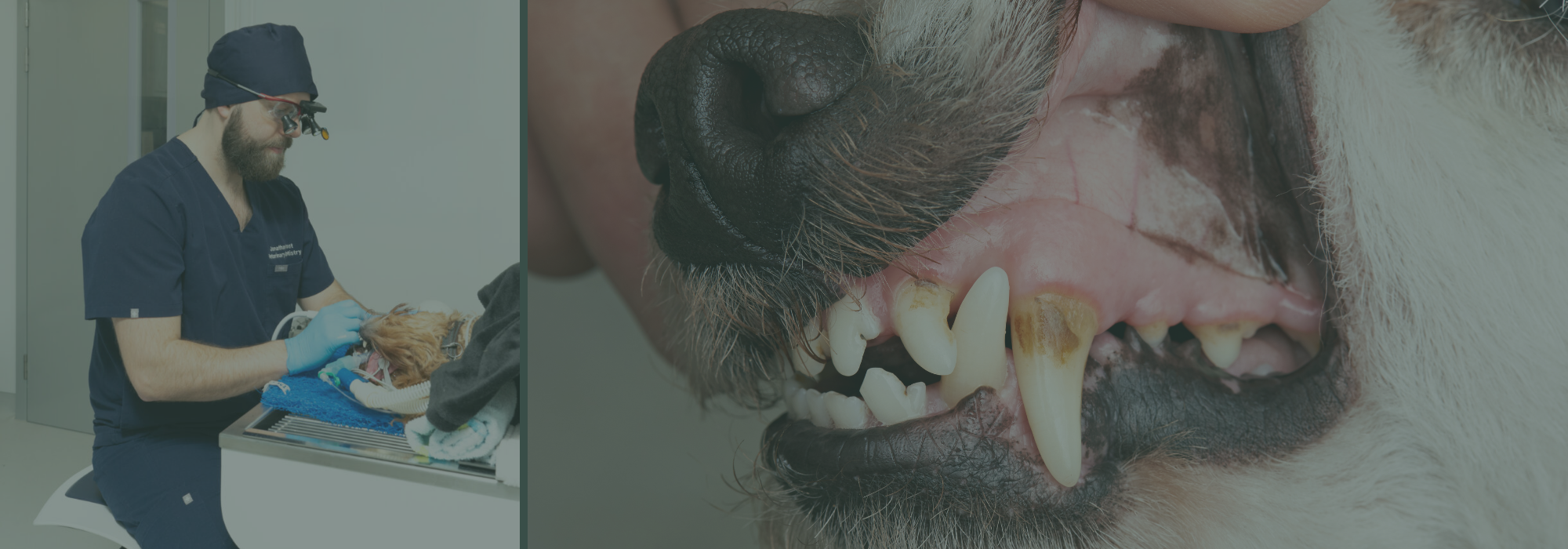
- Staining of the teeth: Yellow or brown buildup (tartar) along the gum line indicates plaque has hardened.
- Red, swollen, or bleeding gums: Signs of gingivitis
- Difficulty eating, dropping food, or reluctance to chew on one side: Could indicate pain in the mouth.
- Drooling, pawing at the mouth, and face rubbing: Pets try to relieve discomfort in their own way.
- Loose or missing teeth / broken teeth: When disease progresses far enough, tooth loss can occur. Pets can also damage their teeth, just like humans can. It’s not unusual for a pet to break or chip a tooth, but this isn’t normal.
TIP! If you haven’t checked your pet’s mouth recently, take a moment. Lift the lip, look at the gums and teeth, look for symmetry, colour and check their breath. If you spot anything unusual, book them in for a dental check-up! Our nurses carry out free dental health checks, and dental examinations can be included in any veterinary consultation. Please call 0208 167 4477 or book an appointment online to visit.
Which pets are at a higher risk?
All pets are at risk, but certain pets may have a greater predisposition to dental problems:
- Small dogs (and brachycephalic breeds such as Pugs, French Bulldogs) are at higher risk of dental disease due to crowded teeth, less space in the mouth, malocclusion and more rapid plaque/tartar formation.
- Senior pets: As pets age, immune function, healing ability, and general health decline, so dental disease can advance more rapidly or may impact overall health more severely. They may also need additional support, such as diet adaptations.
Wolfe Vets performs dentistry akin to human dental care: restorative techniques (caps and fillings), endodontics (root canal) and orthodontics (realignment of painful teeth). These procedures mean we minimise extractions, keeping pets’ mouths natural, comfortable and healthy.
In addition, we also have the expertise of our own visiting Veterinary Dentist and Oral Surgeon, Dr Jonathan Frost. Jonathan sees patients every Thursday at Wolfe Vets. We have a dedicated Dentistry Suite for complete oral health assessments and treatments, restorative dentistry and therapeutic extractions. Our CT scanning and overnight care also allow maxillofacial surgery for those more serious cases. Jonathan also takes dentistry and oral surgery referrals. He saves patients’ mouths for their lifelong welfare.
Our practice offers the whole suite of dental treatment, from FREE dental checks, routine dental care, through to advanced referral options, all under one roof at Wolfe Vets, which you have come to know and trust.
If you would like to book your pet in for a dental check, please call 0208 167 4477 or book an appointment online.
Sorry, the comment form is closed at this time.