

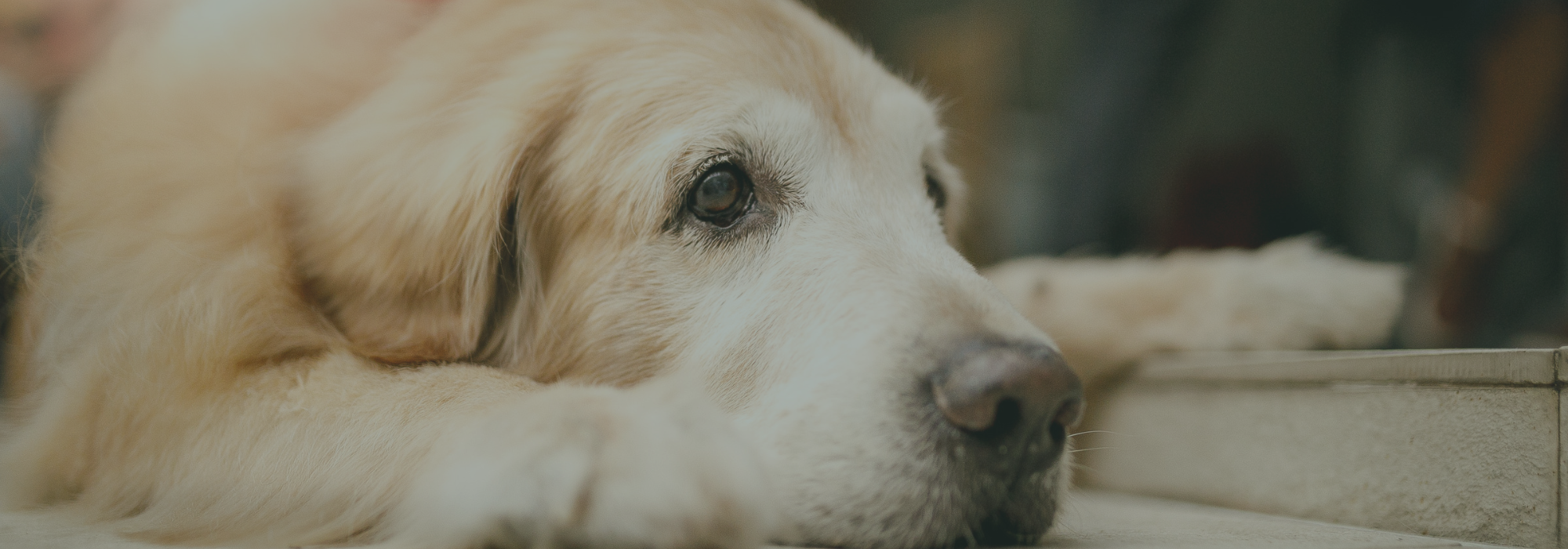
18 Nov Arthritis in pets: how to help them stay comfortable and active
Arthritis in pets: how to help them stay comfortable and active
Arthritis isn’t something pets simply have to put up with
If your older pet is slowing down, becoming stiff, or finding everyday activities more difficult, speak to our team. Arthritis may be common in old age, but that doesn’t mean your pet needs to suffer when there is so much we can do to support them.
Arthritis is a long-term condition, so successful management is often about finding the right combination of treatments and making adjustments as your pet’s needs change. At Wolfe Vets, our team can assess your pet’s mobility, investigate the cause of pain or stiffness and build a treatment plan specifically for them.
Depending on your pet, that may involve pain relief and anti-inflammatory medication, weight management, adapting exercise and making changes at home, alongside more advanced treatment options where appropriate.
Dedicated lameness and arthritis appointments
Sometimes a standard appointment isn’t enough to properly investigate a longstanding mobility problem.
We offer extended 30-minute appointments for lameness and arthritis, giving the veterinary team additional time to assess your pet, discuss their history and symptoms and consider the most appropriate next steps.
This can be particularly helpful with senior pets because “slowing down” doesn’t always have one simple explanation. The aim is to understand why your pet is struggling rather than assuming their difficulties are an inevitable part of getting older.
Advanced diagnostics
Where further investigation is needed, here at Wolfe Vets, we have extensive diagnostic facilities available within our practices, including digital radiography (X-rays), ultrasound, and CT scanning.
For an older pet with persistent lameness, pain or reduced mobility, diagnostic imaging can help our team understand what’s happening beneath the surface and distinguish osteoarthritis from other orthopaedic problems.
We also provide an advanced orthopaedic service, led by our founder Dr James Bennett, an RCVS Recognised Advanced Practitioner in Small Animal Surgery. Conditions treated include osteoarthritis and degenerative joint disease, hip and elbow dysplasia, cruciate ligament injuries, joint sprains and tears, and other orthopaedic conditions.
Stem cell therapy
For some pets with arthritis and joint problems, we can also offer stem cell therapy as part of our regenerative medicine service.
Stem cells have regenerative properties and can release substances that support healing within damaged tissues. We use regenerative medicine in the treatment of conditions including arthritis and tendon and ligament injuries.
It won’t be the appropriate choice for all pets, which is why assessment and diagnosis come first, but it provides another option that the team can discuss for suitable patients.
Platelet-rich plasma (PRP) therapy
We also offer platelet-rich plasma, or PRP, therapy.
PRP uses a concentrate derived from the patient’s own blood containing naturally occurring components involved in the body’s healing processes. We use PRP as an anti-inflammatory treatment to help reduce arthritis and pain within damaged joints and tissues.
Again, whether this is appropriate will depend on your pet, the joints affected and their wider health, and our team can talk you through the potential benefits and limitations.
Intra-articular treatment for chronic arthritis
Our advanced orthopaedic and referral services also include intra-articular therapy for chronic arthritis.
“Intra-articular” simply means treatment delivered directly into the affected joint. For appropriate patients, this gives the veterinary team another way of targeting chronic joint disease as part of a wider arthritis management plan.
The important message for owners is that arthritis care isn’t limited to simply giving an older pet painkillers and accepting that they’ll gradually become less mobile. There’s now a range of ways to manage joint disease, and we can combine everyday arthritis management with advanced diagnostics, orthopaedic expertise and regenerative treatments to find an approach suited to each individual pet.
Veterinary treatment is only one part of keeping an arthritic pet comfortable. What happens at home matters just as much.
Support at home matters too
A few changes around the home can make life significantly easier:
- Put non-slip rugs or runners over slippery wooden, laminate or tiled floors.
- Provide a supportive bed somewhere warm and away from draughts.
- Consider ramps or steps for dogs that struggle to get into the car or onto furniture.
- Give cats intermediate steps or furniture so they can reach favourite sleeping places without one large jump.
- Choose a low-entry litter tray for an older cat with stiff hips or knees.
- Keep food and water easily accessible and consider additional bowls in larger or multi-storey homes.
- Keep nails appropriately trimmed, as long nails can make walking and maintaining grip more difficult.
- Continue with regular, gentle exercise rather than alternating between very little activity and occasional long walks.
Weight management is particularly important. Carrying excess weight puts additional strain on painful joints, while appropriate nutrition and activity can help an older pet maintain the muscle needed to support those joints.
Membership to our Wolfe Pack health plan also includes nutrition consultations, weight loss clinics and nail trimming, giving owners ongoing support with some of these everyday aspects of arthritis management, too.
The value of regular check-ups for a senior pet
One of the challenges with senior pets is that their needs can change gradually.
Perhaps medication that has worked well needs reviewing. Maybe your dog is starting to struggle with a particular walk, or you’ve noticed your cat no longer jumping onto the bed. Your pet might gain or lose weight, develop a new limp, or simply seem a little less comfortable than they did a few months ago.
These aren’t concerns you necessarily want to save up for an annual appointment.
That’s where The Wolfe Pack’s unlimited consultations can be particularly valuable for owners of older pets.
All three Wolfe Pack membership levels – Wolfe Cub, The Wolfe Pack and Wolfe Pack 24/7 – include unlimited consultations with Wolfe Vets’ team of advanced practitioners, vets and veterinary nurses. Membership also includes senior checks, nutrition consultations, weight loss clinics, nail trimming and a 10% discount on other veterinary services.
That 10% discount applies to other treatment fees, which can be especially useful when a senior pet requires ongoing investigations or treatment.
For pets whose needs can change as they age, unlimited consultations also make it easier to have those smaller changes assessed rather than waiting until they become bigger problems.
And for owners who want additional reassurance, Wolfe Pack 24/7 includes unlimited out-of-hours emergency consultations, 24 hours a day, 365 days a year.
Advanced care, with everything in one place
Perhaps one of the biggest advantages for an older pet is having access to both routine and advanced veterinary care within the same practice.
Our Fulham practice is an RCVS-accredited 24-hour hospital, while our Chiswick practice also offers extensive surgical and diagnostic facilities. Across the practice, senior patients can access routine health checks and ongoing condition management alongside advanced diagnostics, CT scanning, orthopaedics, regenerative medicine and surgery when required.
That means a senior pet initially brought in because they’re “a bit stiff” can be assessed and monitored by the veterinary team, with more advanced investigation or treatment available if their condition requires it.
And because we are independent, your pet’s care remains within a locally owned veterinary team focused on finding the right approach for the individual patient.
Getting older shouldn’t mean missing out
Senior pets may need a few more home comforts and a little extra support, but getting older doesn’t mean they should simply have to live with pain or give up the things they enjoy.
This November, pay attention to the small changes.
Is your dog slower getting up after a nap? Are they hesitating before jumping into the car? Has your cat stopped visiting a favourite windowsill? Are stairs becoming harder? Have they become quieter, less playful or less tolerant of being touched?
Those changes are worth discussing with your vet.
If you’ve noticed a change in your senior pet’s mobility this autumn, book an appointment with the Wolfe Vets team to discuss how we can help keep them comfortable and enjoying life.
Sorry, the comment form is closed at this time.